Pojištění nemovitosti: Co musíte vědět, aby vás nezaskočily náklady a právní rizika
When you buy or rent a property, pojištění nemovitosti, finanční ochrana proti škodám na domě nebo bytě způsobeným požárem, povodní, výpadkem elektřiny nebo jinými nečekanými událostmi. Also known as pojištění domu, it is not optional if you want to sleep well at night. Most banks require it for mortgages, but even if you own your home outright, skipping it is like driving without seatbelts—you might get lucky, but the cost of a single accident can wipe out years of savings.
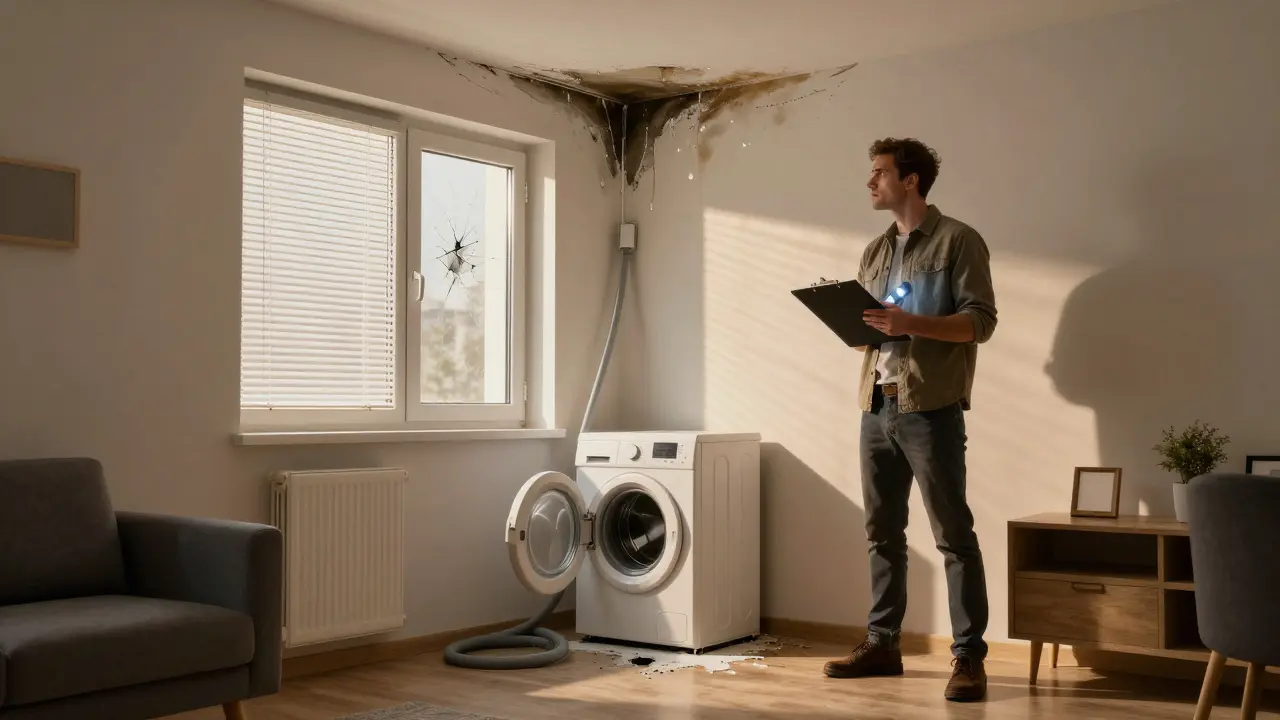
Many people think pojištění nemovitosti is just about fire or water damage, but it also covers third-party liability. If your pipe bursts and floods the apartment below, or if a tree from your garden falls on your neighbor’s car, the insurance pays. Without it, you’re personally liable for tens or even hundreds of thousands of korunas. And it’s not just about big disasters—smaller issues like broken windows from hail or stolen doors during renovation are often included too. The key is reading the fine print: some policies exclude flooding from rivers, others don’t cover damage from poor maintenance. Always ask what’s not covered.
Another thing people overlook: předávací protokol, dokument, který pečlivě zaznamenává stav nemovitosti při předání mezi vlastníky nebo nájemníky. Also known as protokol o stavu bytu, it is your best defense against false claims after moving in or out. If you don’t have it, the new owner or landlord can blame you for damage you didn’t cause—and your insurance might not help if you can’t prove the condition before you took over. This is why many legal disputes over deposits or repair costs end up in court. A signed and dated protocol with photos is worth more than any verbal agreement.
And don’t forget about stavební rizika, faktory jako nelegální přístavby, špatná izolace, nebo staré potrubí, které mohou zvýšit pravděpodobnost škody. Also known as technický stav nemovitosti, these directly affect your premium. An old house with wooden beams and lead pipes will cost more to insure than a modern building with updated systems. Insurers know this—and they adjust prices accordingly. That’s why getting a professional inspection before buying or renewing your policy can save you money in the long run.
You don’t need the cheapest policy. You need the right one. Some insurers offer bundled deals with household contents, others separate them. If you’ve invested in custom cabinetry, stone countertops, or smart home systems, make sure they’re listed as high-value items. Standard policies often cap coverage at 10,000–20,000 Kč for fixtures—enough for a sink, not for a custom kitchen.
And here’s something most people miss: if you’re renting, your landlord’s insurance doesn’t protect your belongings. That’s your job. Tenants’ insurance is cheap—often under 200 Kč per month—and covers theft, fire, water damage to your stuff, and even temporary housing if your apartment becomes uninhabitable. Skip it, and you’re risking your entire wardrobe, electronics, and furniture on a single accident.
What you’ll find below are real-life guides on how to avoid common traps: how to read your policy without a lawyer, when you must update your insurance after renovations, why the date of handover matters more than you think, and how to get the best price without sacrificing coverage. These aren’t theoretical tips—they come from people who’ve been there, lost money, and learned the hard way.
Pojištění pronajaté nemovitosti není volitelné-je základní ochranou vašeho investičního majetku. Zjistěte, které tři pojistky potřebujete, jak nastavit pojistnou částku a proč kauce je klíčová.
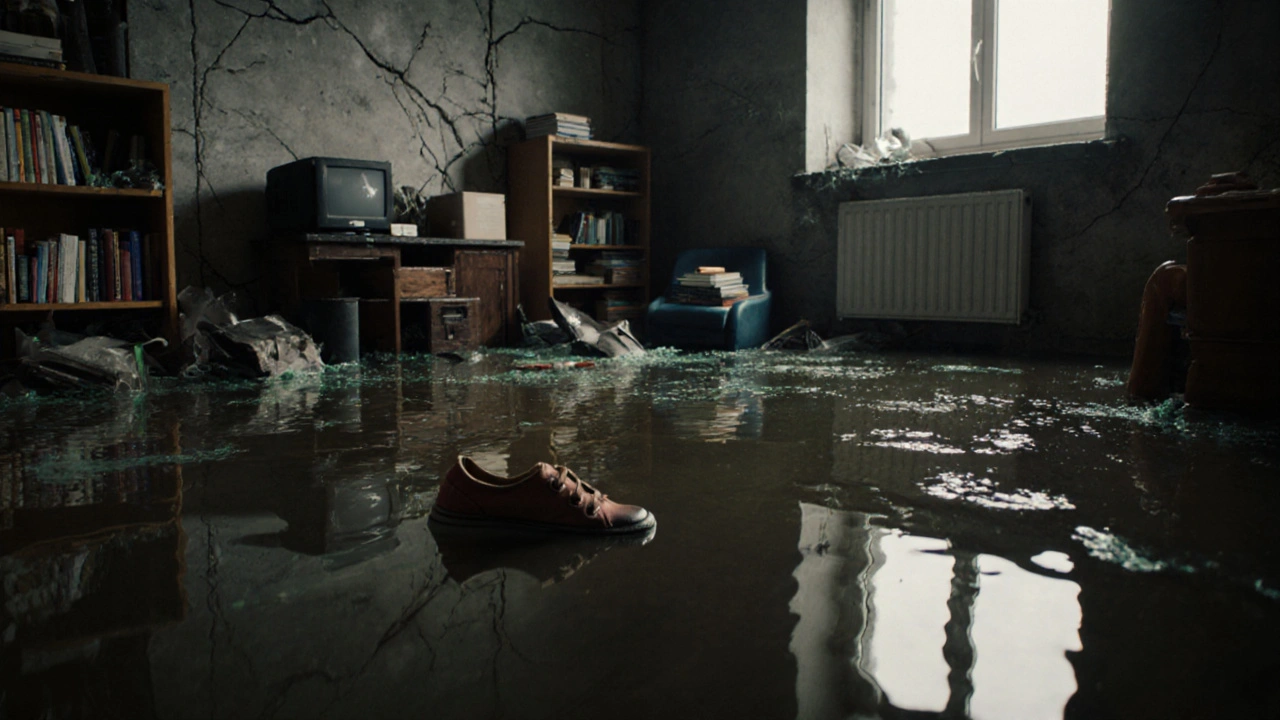
Rozdíl mezi povodní a záplavou v pojištění nemovitostí může znamenat tisíce korun na vaší účetní knížce. Zjistěte, co vaše pojištění skutečně kryje a jak se chránit před nečekanými škodami.