
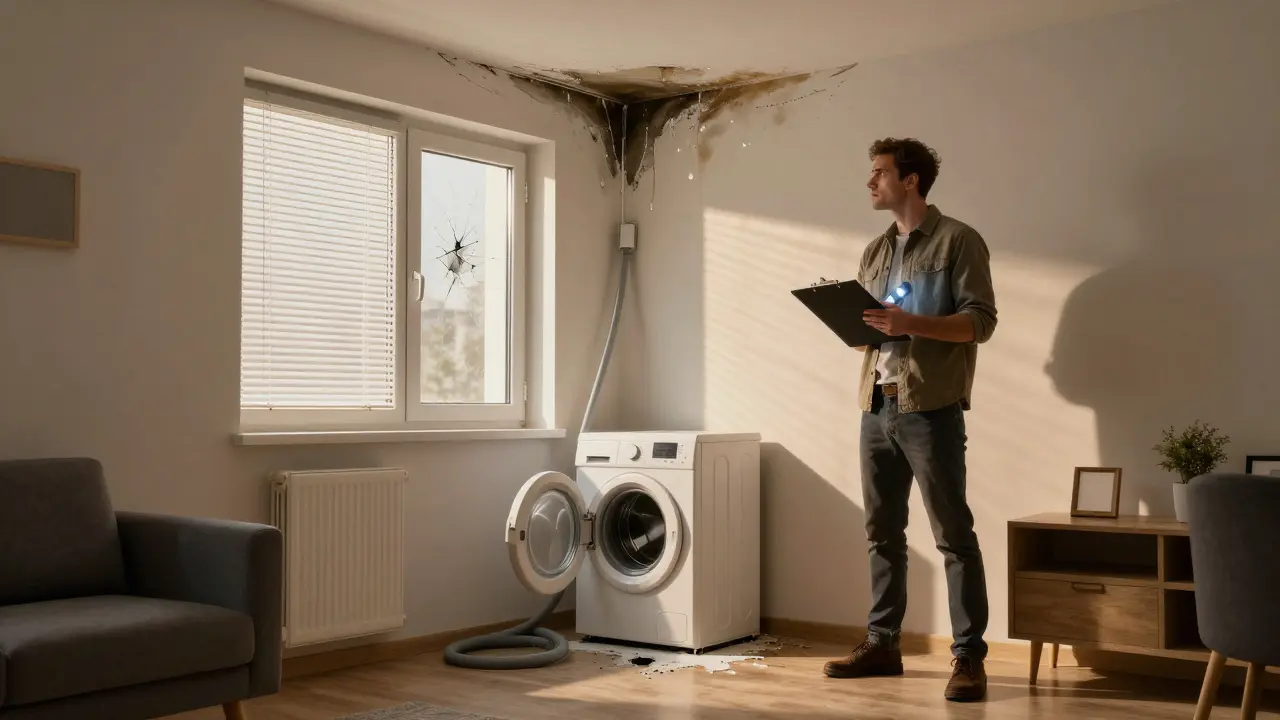
When you rent out your property, you're not just finding a tenant-you're inviting someone into your investment. And while most landlords focus on finding reliable renters, far too many forget to protect what they own. A single leak, a fire, or a broken window can turn a steady income into a financial nightmare. The good news? You don't need to be an expert to get it right. Here’s what actually matters when insuring a rented property in the Czech Republic.
Základní pilíře: Tři pojistky, které nemůžete ignorovat
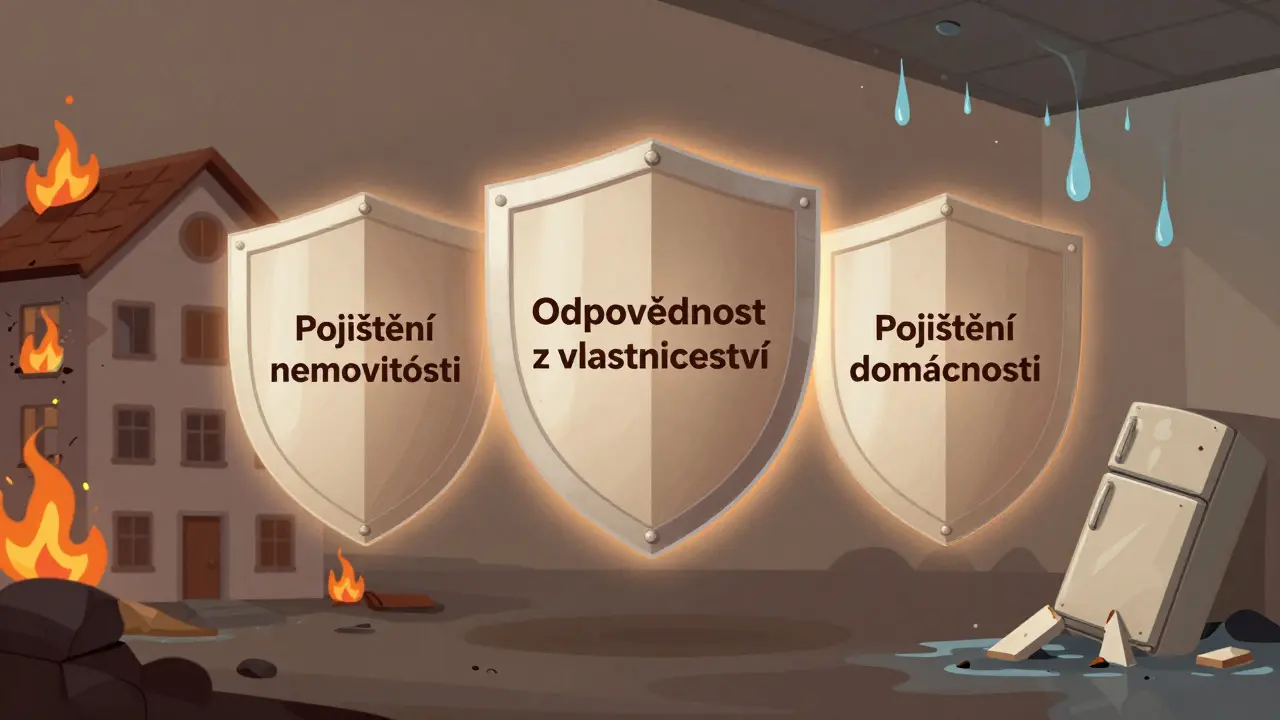
There are three essential insurance products every landlord should have. Skip even one, and you’re gambling with your property’s value.
- Pojištění nemovitosti - This covers the building itself: walls, floors, windows, heating systems, kitchen units, and built-in fixtures. If a tenant accidentally causes a fire or a gas explosion, this policy pays for repairs. But here’s the catch: if your building is already covered under the building’s master policy (common in apartment complexes), you might be paying twice. Always check what’s already covered before signing your own contract.
- Pojištění odpovědnosti z vlastnictví nemovitosti - This is your shield against claims from neighbors or even yourself. If a tenant floods the apartment below and damages their ceiling, this policy pays for repairs. It also covers damage caused by your own mistakes-like a faulty installation you made. Many people get this as part of their standard civil liability insurance (pojištění občanské odpovědnosti), which is smart. But make sure it explicitly includes rental property risks.
- Pojištění domácnosti - If your rental comes with furniture, appliances, or flooring, this is non-negotiable. It covers theft, vandalism, water damage from a burst washing machine hose, or electrical surges that fry your TV. Without it, you’re out of pocket if a tenant’s carelessness destroys your investment.
These three together form a safety net. One covers the structure. One covers liability. One covers what’s inside. Missing any one leaves a dangerous gap.
Co se skrývá za pojistnou částkou a proč to dělá rozdíl
It’s not enough to just have insurance-you need the right amount. Many landlords set their insurance sum based on what they paid years ago. That’s a mistake.
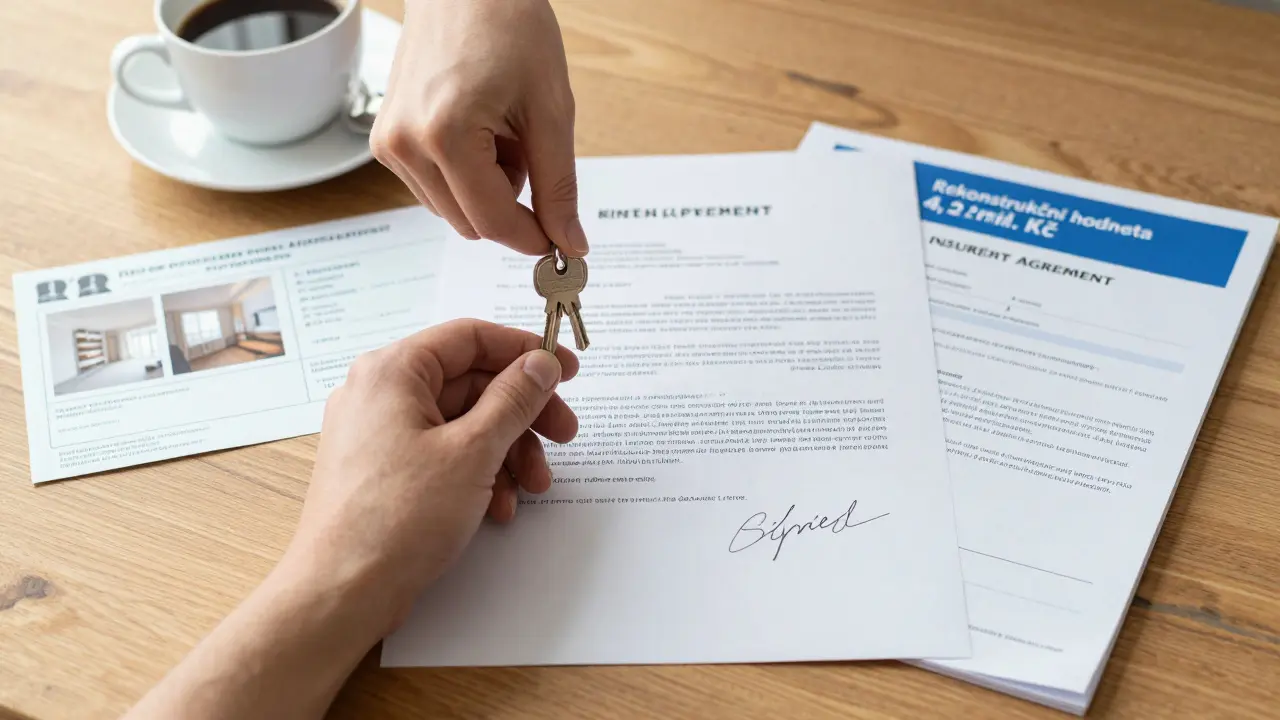
Insurance pays out based on rekonstrukční hodnota-the cost to rebuild the property to its original condition, not its market value. A 20-year-old apartment might sell for 3 million CZK today, but rebuilding it could cost 4.2 million. If you insure it for only 2.5 million and a fire destroys it, you’ll be short by 1.7 million. That’s not just a loss-it’s a crisis.
Check your policy annually. Renovations, new flooring, upgraded heating systems-they all increase your rebuild cost. Most insurers offer free reassessments. Use them.
Výluky, které vás mohou zničit
Insurance policies don’t cover everything. And the fine print hides traps.
- Normal wear and tear? Not covered. A worn-out carpet or scratched floor? That’s your problem.
- Poor maintenance? If a pipe bursts because you ignored a leak for two years, the insurer will deny the claim.
- Intentional damage? Obviously excluded. But what if a tenant claims it was an accident? That’s where documentation matters.
Always read the exclusions section. If your policy says “no coverage for water damage from old pipes,” and your building has 30-year-old plumbing, you’re on your own. Fix the pipes-or get a policy that covers them.
Kauce: Největší ochrana, kterou často ignorujete
Insurance covers big disasters. The deposit covers the rest.
Legally, you can ask for a deposit equal to one or two months’ rent. Don’t take less. If a tenant breaks a window, spills paint on the floor, or leaves the kitchen in ruins, the deposit should cover it. But here’s the rule: the deposit is not the last month’s rent. The tenant must still pay rent on time. The deposit is a security fund-only used for damages.
Document everything. Take photos before the tenant moves in. Note the condition of every appliance, wall, and floor tile. Have both parties sign it. If a dispute arises, this is your proof.
Co dělat, když nájemník neplatí?
Some insurers offer optional coverage for unpaid rent. It’s not cheap, but it’s worth considering if you’ve had bad experiences before.
Typical conditions: The tenant must be at least two months behind. You must have a signed rental agreement. You must have reported the non-payment to authorities. And you must have tried to resolve it through mediation first.
If you’re renting to students, freelancers, or foreign workers, this coverage becomes even more valuable. It won’t prevent the hassle-but it will prevent the loss.
Co když nájemník poškodí byt? Kdo platí?
Clear rules exist:
- Škody na samotné nemovitosti (e.g., fire, explosion, structural damage) → You, the landlord, file a claim under your pojištění nemovitosti.
- Škody na vybavení (e.g., broken fridge, damaged sofa, ruined flooring) → You file under pojištění domácnosti.
- Škody sousedům (e.g., water leak to apartment below) → You file under odpovědnost z vlastnictví.
But here’s the smart move: Make your tenant get their own pojištění domácnosti and odpovědnost z vlastnictví. Include this requirement in the rental agreement. It’s not about distrust-it’s about shared responsibility. A tenant with insurance is less likely to be careless. And if they do cause damage, their insurer pays-yours doesn’t.
Kdo nabízí tyto pojistky v Česku?
Most major insurers offer rental property packages. UNIQA and Česká pojišťovna are two of the most popular. Their policies are straightforward and cover the essentials.
But there’s a catch: If your annual rental income exceeds 500,000 CZK, you’re no longer considered a private landlord. You’re a business. And that means you need podnikatelské pojištění, which is more complex and expensive.
Broker Trust offers free consultations for landlords. They’ll review your property, your income, and your current coverage-and tell you exactly where you’re exposed.
Co si pamatovat? Praktický checklist
- Nezapomeňte na pojištění nemovitosti-kryje budovu.
- Připojte odpovědnost z vlastnictví-kryje škody sousedům i vašemu majetku.
- Pokud je byt vybavený, pojištění domácnosti je nutné.
- Nezakládejte se na výchozím pojištění domu-zkontrolujte, co už je pokryto.
- Nastavte pojistnou částku podle rekonstrukční hodnoty, ne tržní ceny.
- Vyžadujte od nájemníka vlastní pojištění domácnosti a odpovědnosti.
- Vezměte kauce ve výši 1-2 měsíčních nájmů.
- Uložte fotky a protokol o stavu bytu před převzetím.
- Pokud děláte z pronájmu více než 500 000 Kč ročně, přemýšlejte o podnikatelském pojištění.
Co když necháte vše na nájemníkovi?
Some landlords think: “I’ll just make the tenant insure everything.” That’s risky.
Legally, you’re still responsible for the building’s structure. If a fire starts because of faulty wiring you never fixed, and the tenant’s insurance refuses to pay (because it’s your fault), you’re on the hook. No insurance policy can replace your duty as a property owner.
Insurance isn’t about shifting blame. It’s about building layers of protection. You protect the building. The tenant protects what they use. Together, you both stay safe.
Co s náklady na pojištění?
You can include insurance costs in the rent. For example, if your annual premium is 3,000 CZK, add 250 CZK per month to the rent. That way, the tenant pays for it-fairly and transparently. Just make sure it’s clearly stated in the contract.
Don’t hide it. Tenants appreciate honesty. And when they know they’re helping cover protection, they’re more likely to treat the property with care.