
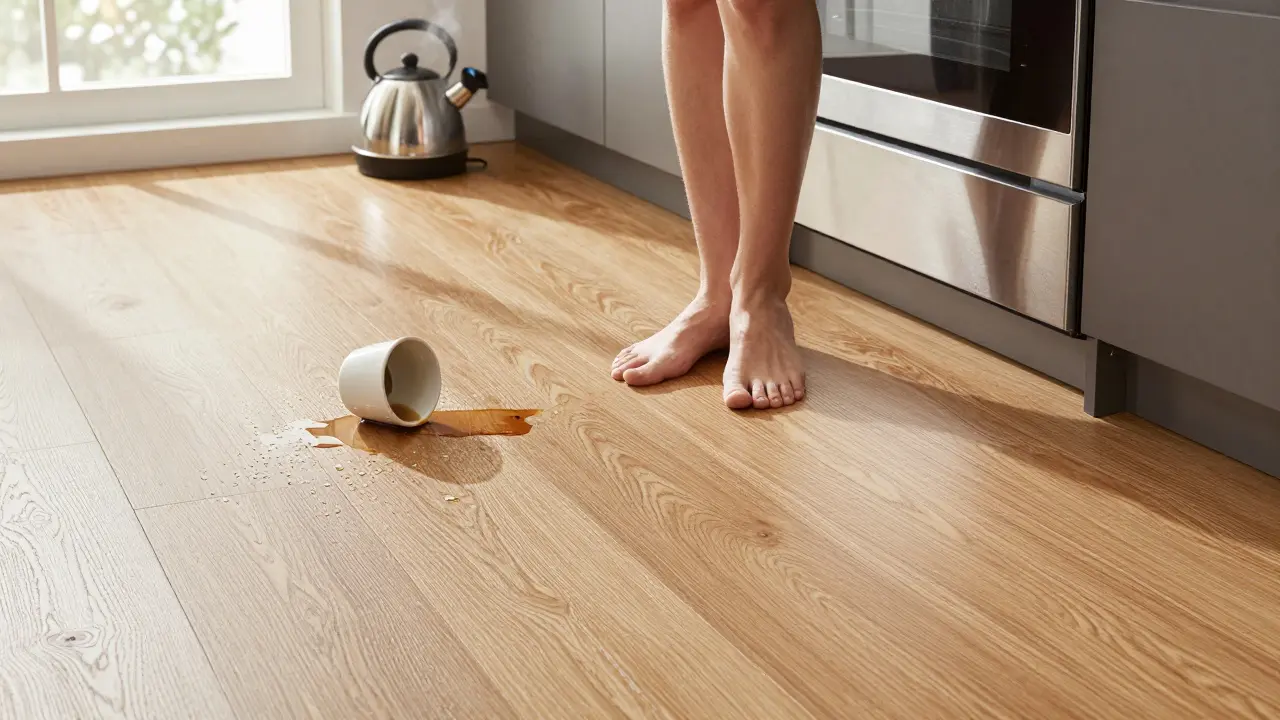
When choosing a floor for the kitchen or hallway, you’re not just picking a color or pattern. You’re choosing something that has to survive spilled coffee, wet shoes, dropped pots, steam from boiling water, and daily scrubbing. A floor that looks nice but fails under pressure will cost you more in repairs and replacements than a durable one from the start. The best floors for these high-traffic, high-moisture areas aren’t just water-resistant-they’re built to laugh at water.
Vinylové podlahy: Nejpraktičtější volba pro kuchyň
Vinyl is the most reliable floor for kitchens today. It doesn’t absorb water. It doesn’t swell. It doesn’t warp. Even if you leave a puddle for hours, it won’t damage the material. That’s because modern vinyl is 100% waterproof. The surface layer is tough, and the core is made of PVC or a similar polymer that water simply can’t penetrate.
What makes vinyl even better? It’s warm underfoot, quiet when you walk on it, and doesn’t slip. Many vinyl floors come with anti-slip certification, which matters when your floor is wet from washing dishes or cleaning up after kids. You can find vinyl that looks exactly like oak, slate, or even concrete. It’s so realistic, you’d never guess it’s not the real thing.
For the busiest kitchens, go for glued-down vinyl. It’s more stable than click-lock versions. No gaps mean no water seepage. It’s also easier to clean-no dirt hides in seams. A good vinyl floor lasts 15-25 years with normal use. And if you spill bleach or cleaner? No problem. It won’t stain or degrade.
SPC podlahy: Moderní, tvrdá a 100% voděodolná
SPC (Stone Plastic Composite) is the new kid on the block-and it’s winning. Its core isn’t wood fiber or foam. It’s made from limestone powder, PVC, and stabilizers. That makes it rock solid. It doesn’t expand or contract with temperature changes. It won’t buckle near a radiator or under a dishwasher.
Because of its rigid core, SPC can be installed over uneven subfloors without leveling. It clicks together like laminate, but unlike laminate, water can’t get in through the joints. Even if you flood the kitchen, the planks stay flat. SPC is also scratch-resistant. Dropping a pot? No marks. Dragging heavy boxes? No dents.
It’s also compatible with underfloor heating. The heat passes through evenly. And because it’s mineral-based, it doesn’t off-gas chemicals like some cheaper vinyls. If you want a floor that’s tough, modern, and looks like natural stone or wood, SPC is the top pick for 2026.
Keramická dlažba: Klasika, která nezklame
Ceramic tile has been the go-to for kitchens for decades-and for good reason. It’s completely waterproof. It resists stains from wine, oil, or tomato sauce. It doesn’t scratch easily. You can scrub it with abrasive cleaners without damage.
But it has downsides. It’s cold underfoot. It’s hard-drop a glass, and it will shatter. The grout lines can stain if not sealed properly. And installation is messy, slow, and expensive. If you’re renovating from scratch, tile is still a solid choice. But if you want something easier to install and more comfortable to stand on, modern alternatives like vinyl or SPC are better.
One advantage tile still holds: it lasts 50+ years. If you’re planning to stay in your home for decades, tile won’t let you down. Just make sure to use epoxy grout and seal it every few years.
Laminát s voděodolným povrchem: Už nejen pro pokoje
Traditional laminate? Avoid it in the kitchen. Water gets in through the joints. The boards swell. They warp. You end up replacing half the floor in two years.
But modern water-resistant laminates are different. Brands like Egger Aqua+ use advanced sealing around the edges and special surface coatings that block moisture from entering the core. These laminates can survive 72 hours of standing water without damage. That’s five times more than regular laminate.
They also have noise-reducing layers (like Egger’s Silenzio®) so footsteps and dropped utensils don’t echo. The surface is scratch-resistant and comes in realistic wood textures. If you love the look of wood but need durability, this is your best bet. Just make sure you’re buying a product explicitly labeled as “water-resistant” or “Aqua.” Don’t assume all laminates are the same.
PVC a linoleum: Staré, ale stále dobré
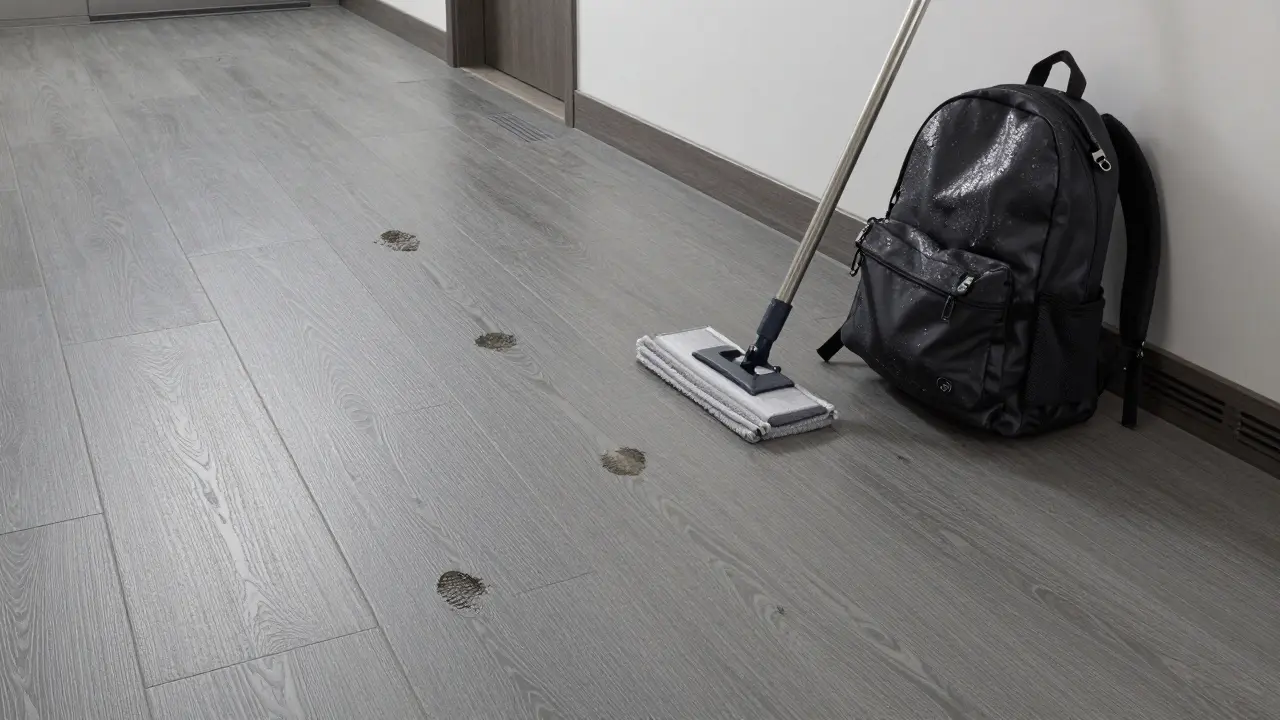
PVC flooring is the budget king. It’s cheap, easy to install, and completely waterproof. Many commercial kitchens use it. It can be welded at the seams to create a seamless surface-perfect for preventing water from getting under the floor.
Its downside? It’s softer than vinyl or SPC. Heavy furniture or sharp heels can leave indentations. It’s also not as stylish as modern options. But if you’re on a tight budget and need a floor that lasts 10-15 years with zero maintenance, PVC is still a smart pick.
Linoleum, often confused with PVC, is made from natural materials like linseed oil and cork. It’s biodegradable, antibacterial, and naturally antimicrobial. It’s also water-resistant, though not 100% waterproof like vinyl. It’s great for eco-conscious homeowners. It feels warm and springy underfoot. But it needs periodic sealing and can fade in direct sunlight.
Dřevo a klasický laminát: Nejlepší vynechat
Real wood floors? Beautiful, yes. Practical in a kitchen? No. Even the most sealed hardwood can swell with constant humidity. Steam from cooking, wet mopping, or a leaky faucet can cause warping, discoloration, or mold under the boards.
Same goes for standard laminate. It’s made of wood fibers. Water turns it into a soggy mess. Unless it’s a special water-resistant version (like Aqua+), avoid it in kitchens and hallways. If you love wood, go for high-quality vinyl or SPC that mimics it. You get the look without the risk.
Ekologické podlahy: Příroda s výkonností
Some newer eco-friendly floors use recycled materials like cork, bamboo, or natural resins. These are not just sustainable-they’re functional. Many have anti-slip, antibacterial, and moisture-resistant properties. Cork, for example, is naturally water-repellent and cushions impact. It’s great for bare feet and reduces fatigue when you’re standing for long periods.
These floors are often used in high-end eco-homes and wellness centers. They’re not cheap, but they’re durable, non-toxic, and easy to clean. If you care about indoor air quality and sustainability, this is the future.
Klíčová kritéria pro výběr: Co hledat
When comparing options, ask yourself these questions:
- Je podlaha opravdu 100% voděodolná? Look for terms like “100% waterproof,” not just “water-resistant.”
- Odolává mechanickému poškození? Can it handle dropped pans, pet claws, or rolling carts?
- Je bezpečná? Does it have an anti-slip rating? Especially important in kitchens and entryways.
- Je snadná na údržbu? Can you mop it with just water? Or do you need special cleaners?
- Je tepelně pohodlná? Cold floors are uncomfortable in the morning. Vinyl, cork, and SPC are warmer than tile.
- Je kompatibilní s podlahovým vytápěním? If you have underfloor heating, check the manufacturer’s specs.
Pro chodby: Co je stejné, co je jiné
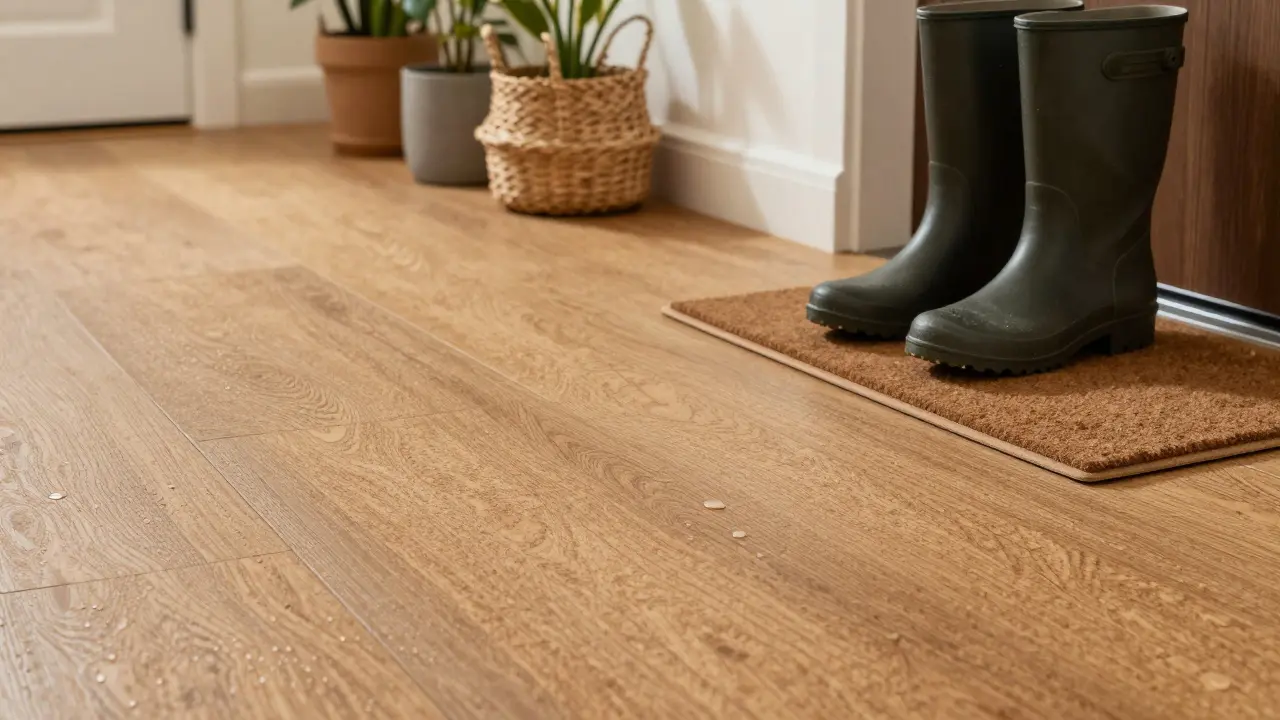
Chodby get dirt, rain, snow, and shoes tracked in from outside. They need to handle abrasion, moisture, and heavy foot traffic. The same materials that work in kitchens work here too: vinyl, SPC, and tile.
For chodby, focus on:
- Odolnost proti obrusu (look for AC4 or AC5 rating for laminates)
- Anti-slip surface-especially if the hallway connects to the garden or garage
- Easy cleaning-no deep grout lines, no porous surfaces
Many people choose SPC for hallways because it’s durable, quiet, and looks premium. Vinyl is a close second. Tile is fine, but it can be slippery when wet unless it has a textured surface.
Závěr: Co vybrat v roce 2026?
For kitchens: SPC or glued-down vinyl are the best choices. They combine waterproofing, durability, comfort, and style. If budget is tight, go for high-end water-resistant laminate (like Egger Aqua+). Avoid standard laminate and real wood.
For hallways: SPC or high-grade vinyl offer the best balance of durability, safety, and ease of maintenance. Tile works, but it’s colder and harder to install.
Don’t choose based on looks alone. A beautiful floor that fails after two years is a waste. Choose based on performance. Water will come. Your floor should be ready.